Most visitors to Seville end up in Plaza Nueva at some point, often without quite registering it. The tram stops there, most city-centre hotels are a short walk away, and Calle Sierpes begins right at its northern edge. Tucked behind the City Hall building itself sits Plaza de San Francisco, which was actually the city’s main square for centuries before Plaza Nueva existed at all.
The City Hall: one building, two very different faces
Few buildings in Seville look so different depending on which side you’re standing on. The facade facing Plaza de San Francisco is the original one, built from 1527 under the direction of Diego de Riaño: Plateresque style, covered in medallions of historical and mythological figures, pilasters wrapped in floral carvings, and considered one of the earliest major examples of this style anywhere in Spain. The opposite facade, facing Plaza Nueva, is far plainer and wasn’t completed until 1867, in Neoclassical style, after the old Convent of San Francisco that once stood on part of the site was demolished.
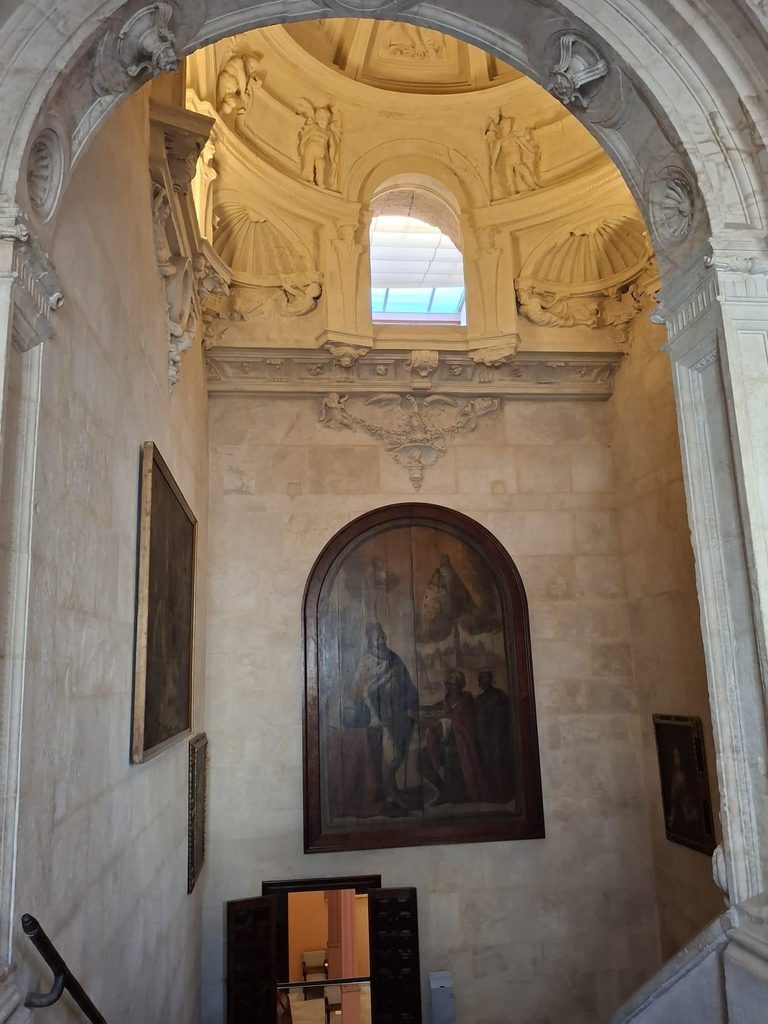
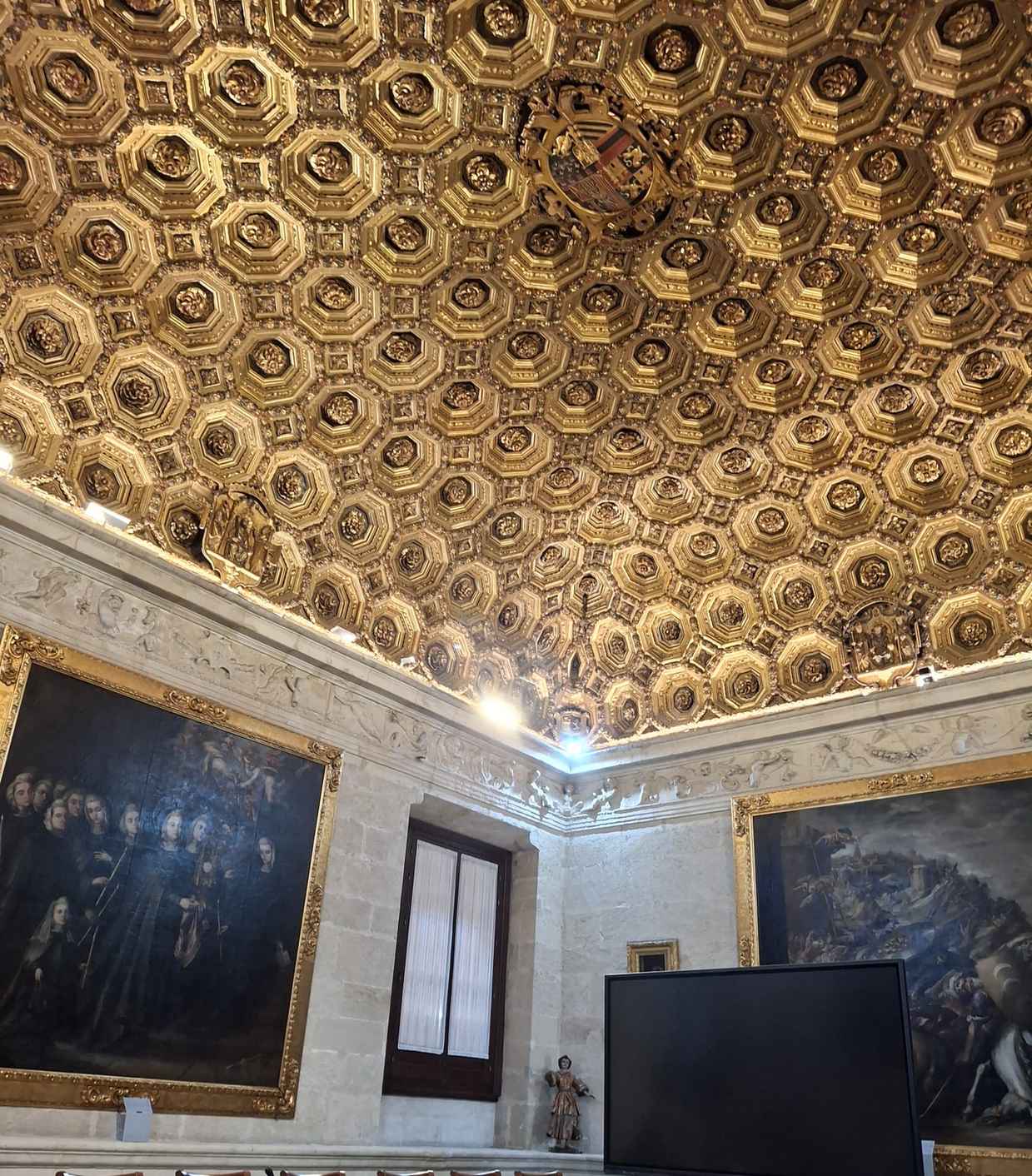
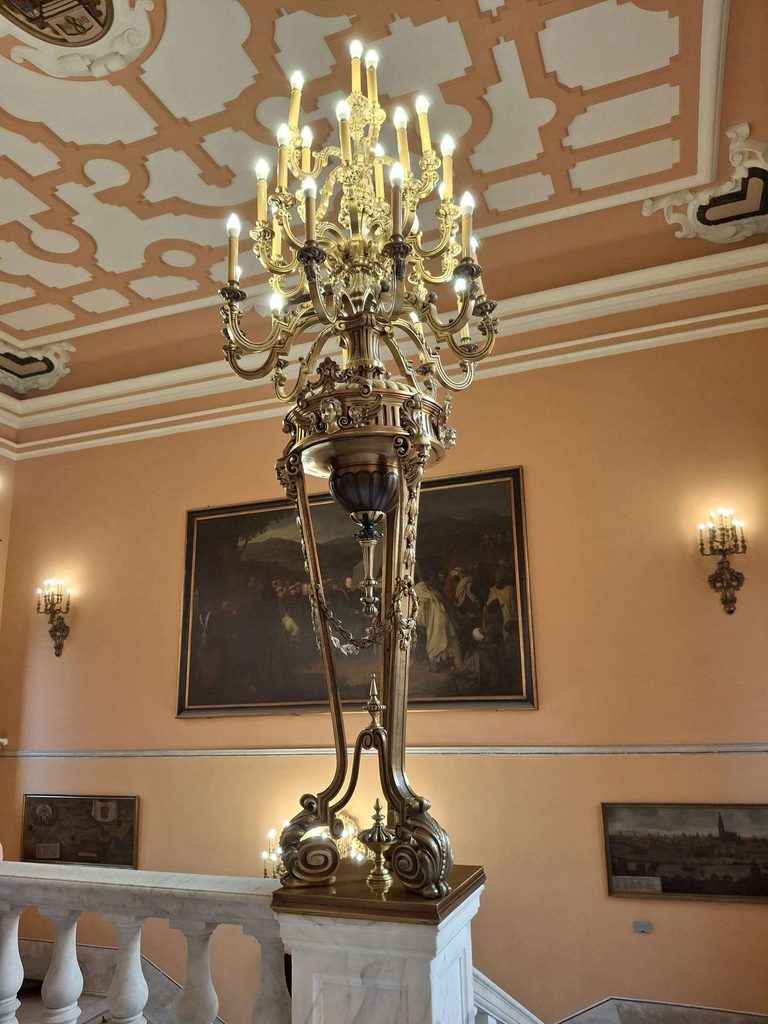
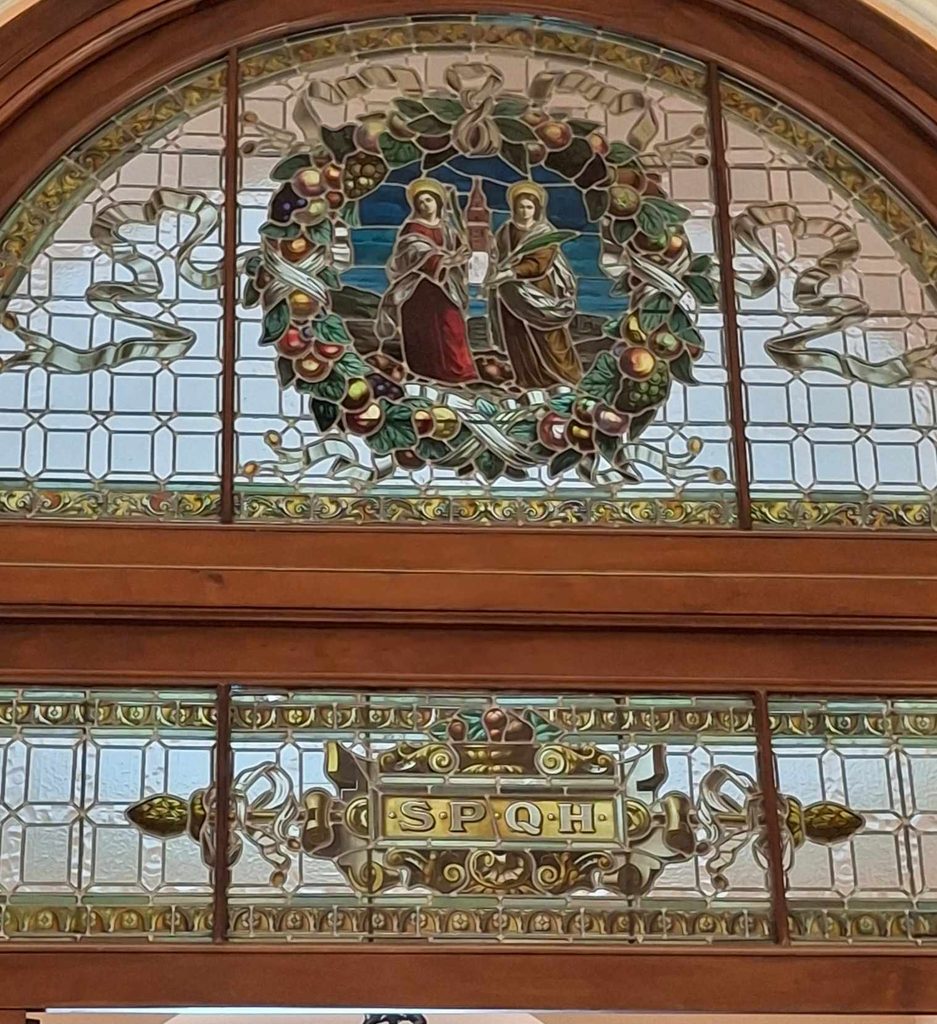
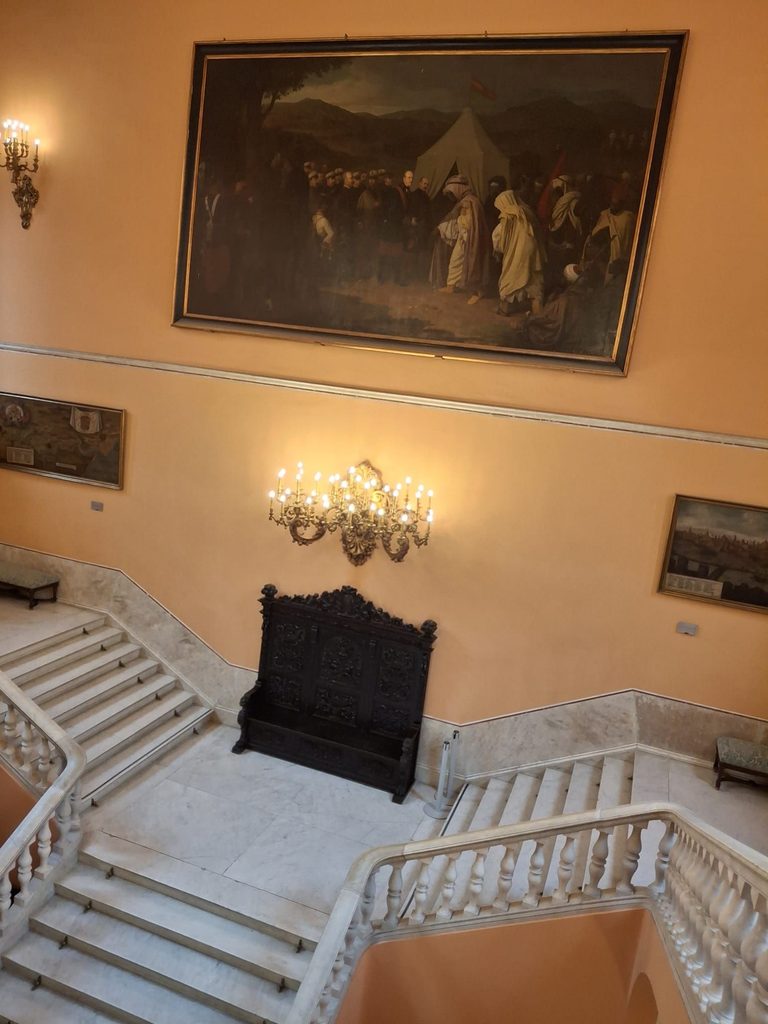
Inside, the Sala Capitular Alta has a stone-coffered ceiling carved with portraits of Spanish kings who reigned before Philip II. The building has been a Bien de Interés Cultural (a protected historic monument) since 1931, and the interior can be visited with a guide booked through the City Hall’s own website. Timings shift between winter and summer, so it’s worth checking the current schedule before planning around it.
What guests say after the Alcázar Tour
“Découverte très agréable l’Alcazar avec une guide s’exprimant très bien en français, Maria. Elle mérite 5 étoiles.”
Frédéric Duchesne — reseña de Google, 7 de mayo de 2026
Plaza de San Francisco: the square that came before Plaza Nueva
This is where the Franciscan convent that gave the square its name once stood, demolished in the 19th century after years of fires and neglect. It was chosen in the 16th century as the site for the new City Hall precisely because it was the most central, commercial spot in the city, and it hasn’t lost that role: during Holy Week it’s one of the fixed points on the route of Seville’s religious processions, and buildings by architects such as Aníbal González still line its edges.
Calle Sierpes: nearly 400 metres of retail history
Sierpes links Plaza de San Francisco with Plaza de la Campana and has been pedestrian-only since the 19th century. The name comes from a medieval legend about a serpent said to have lived in the street’s drains; the street itself is documented as far back as the conquest of Seville by Ferdinand III in 1248, when it was known as Calle de Espaderos, the sword-makers’ street. Miguel de Cervantes was briefly held in the old Royal Prison, which stood at the far end. Today it’s still the most recognisable shopping street in the centre, with century-old shops like the La Campana confectionery sitting alongside the big fashion chains.
How this fits into a guided visit
None of our daily tours actually depart from Plaza Nueva, so it wouldn’t be honest to claim otherwise. What is true: book the Seville in One Day tour and the route walks straight down Calle Sierpes on the way to the other monuments. If your hotel is in the centre, private tours such as the Private Alcázar Tour or the Private Cathedral Tour will pick you up right there. For a group format, the Seville Monuments Tour covers both the Alcázar and the Cathedral in one visit, and both are a short walk from the City Hall.
Frequently asked questions
Can you go inside Seville’s City Hall?
Yes, on a guided visit organised by the City Hall itself, free for anyone born or resident in Seville and paid for everyone else. Saturdays usually have a free slot open to the general public, subject to booking. Since timings change between seasons, it’s best to confirm the current schedule on the city council’s website before planning around it.
Why is Calle Sierpes called that?
The most common explanation is a legend about a serpent that terrorised residents from the street’s drains. Before that, in the 13th century, it was known as Calle de Espaderos, after the sword-makers’ workshops based there.
How far is it on foot from Plaza Nueva to the Cathedral or the Alcázar?
It’s a short walk, just a few minutes across Avenida de la Constitución. It’s common to combine the City Hall area with a visit to both monuments in the same morning.
What’s worth seeing or buying along Sierpes?
Alongside the big fashion chains, a handful of century-old shops survive: hatters, watchmakers, and the La Campana confectionery, a fixture for locals for well over a hundred years.